
Plan Your Automatic Pool Cover Before Pool Construction Begins
An automatic pool cover can be one of the most useful additions to a new fiberglass swimming pool. From convenient daily operation and heat retention to reduced evaporation, debris control, and safety considerations, the right cover system can make pool ownership easier.
For homeowners planning a fiberglass pool in Spokane, Coeur d’Alene, and surrounding Inland Northwest communities, the best time to consider an automatic cover is before the pool model, patio, coping, and equipment layout are finalized.
This checklist explains ten important decisions to review, including pool shape, cover tracks, motor placement, drainage, electrical planning, patio design, safety requirements, and long-term maintenance.
Water Magic Pools & Spa helps homeowners consider these details as part of a complete fiberglass pool project. You can also explore our automatic pool covers in Spokane and Coeur d’Alene service page for additional options and planning information.
1. Decide on an Automatic Cover Before Finalizing Your Pool Design
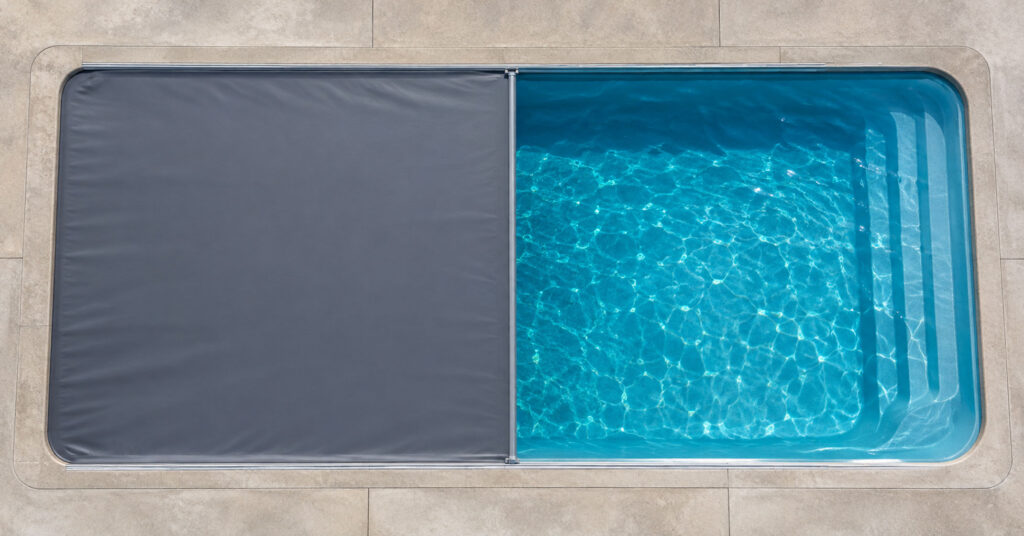
One of the most important decisions in a new fiberglass pool project is whether an automatic cover will be included. The cover system affects more than the water surface. Its tracks, motor, housing, controls, and surrounding construction details must work with the selected pool and finished backyard. Waiting until excavation or patio construction is underway may limit the available cover options or require changes to the original plan. Even if you are considering adding an automatic cover later, discuss that possibility before construction begins. Some design provisions are easier to make during the original installation.2. Compare Fiberglass Pool Shapes and Cover Compatibility
The pool’s shape and dimensions influence which automatic cover systems are practical. Rectangular fiberglass pools are often well suited to automatic covers because their straight sides can accommodate concealed track configurations and integrated cover housings. Freeform pools and other layouts may also have compatible cover options, but the system may require different track placement or additional consideration around the surrounding deck. When comparing pool models, consider:- Overall pool length, width, and shape
- Built-in steps, benches, and tanning ledges
- Integrated spas or adjoining water features
- Available deck space along the pool
- Preferred automatic cover configuration
3. Understand Automatic Pool Cover Track Options
Automatic pool covers operate along tracks positioned on opposite sides of the pool. The type of track system affects the installation requirements and the appearance of the finished backyard. Some systems use tracks concealed beneath the coping or integrated into the surrounding structure. Other configurations use tracks mounted on or recessed into the deck. Concealed systems can provide a cleaner finished appearance, but they generally require coordination during the initial construction process. Deck-mounted configurations may be suitable for certain existing pools or other installation circumstances. The best option depends on the pool model, cover manufacturer, patio design, and available space. The specific track configuration should be confirmed before finalizing construction details.4. Plan the Cover Motor, Housing, and Service Access
An automatic pool cover requires a mechanism that rolls and unrolls the cover. Depending on the system, this equipment may be placed in a recessed housing near one end of the pool or in another manufacturer-approved configuration. The housing must be considered alongside the pool dimensions, surrounding patio, drainage, equipment access, and finished appearance. Homeowners should discuss where the mechanism will be located, whether the housing will be concealed, and how the system can be accessed for inspection, maintenance, or future repairs. A cover housing that blends into the finished backyard is desirable, but accessibility remains important for long-term ownership.5. Consider Drainage and Backyard Conditions
Drainage is an important part of automatic pool cover planning. Water can collect on top of a closed cover or enter the mechanism housing during rain, snowmelt, cleaning, or other conditions. The cover system and surrounding patio must be designed around appropriate water management. Cover housings may require dedicated drainage arrangements based on the manufacturer’s specifications and the property’s conditions. This is particularly important for Spokane and Coeur d’Alene homes with sloped yards, retaining walls, drainage challenges, or extensive hardscaping. Reviewing grading, runoff, patio elevations, and equipment locations during the initial pool planning process can help prevent conflicts between the cover system and the rest of the backyard.6. Coordinate Electrical Requirements and Pool Equipment
Automatic covers require a compatible drive system and controls. Electrical requirements, control locations, access, and equipment routing should be coordinated with the pool design and the selected cover manufacturer. Some homeowners also plan pool heating, automation, lighting, and other equipment as part of the original project. Considering these features together helps determine where electrical connections, equipment pads, controls, and other infrastructure should be located. Learn more about our fiberglass pool technology and equipment options when planning a complete pool installation.7. Design the Patio and Coping Around the Cover
Pool coping and patio design play an important role in how an automatic cover looks and operates. Track placement, housing access, deck materials, elevations, and surrounding obstacles can all influence the finished configuration. Homeowners planning concrete patios, pavers, decorative coping, retaining features, or extensive outdoor living spaces should discuss the cover system before those improvements are finalized. The goal is to create a finished backyard where the cover works properly without appearing disconnected from the pool design. Water Magic Pools & Spa helps homeowners consider pool placement alongside patios and outdoor living improvements and poolside landscaping.8. Review Safety Requirements and Seasonal Use
Automatic pool covers can support pool safety, but homeowners should understand the difference between a general protective cover and a system specifically designed and certified as a safety cover. Qualifying swimming pool safety covers are evaluated under standards such as ASTM F1346. The selected product, installation, and operating conditions matter when determining whether a cover meets the relevant safety requirements. Fencing, gates, alarms, access control, and other safety features may also be required. Local rules can vary by jurisdiction, so homeowners should confirm the applicable requirements with their local building authority. Automatic covers can also help retain heat, reduce evaporation, and limit debris during the swimming season. These features may be especially appealing during cooler Inland Northwest evenings and periods when a pool is not used daily. For additional planning considerations, explore our pool safety and security options.9. Include the Automatic Cover in Your Overall Pool Budget
An automatic cover should be considered as part of the complete pool project rather than an isolated purchase. The overall cost depends on the pool dimensions, selected system, track configuration, housing requirements, equipment, electrical work, patio construction, and other installation details. Some decisions may also affect long-term ownership expenses, including cover material replacement, mechanical maintenance, and future servicing. Before approving a project estimate, ask what is included in the cover system and which surrounding construction items are accounted for separately. For broader budgeting considerations, visit our fiberglass pool cost guide.10. Gather the Right Information Before Requesting an Estimate
You do not need a completed backyard design before discussing an automatic pool cover. However, gathering a few basic details can make the planning conversation more productive. Helpful information includes:- Photos of the backyard and proposed pool location
- Approximate property and pool-area dimensions
- Preferred fiberglass pool shapes and features
- Whether an automatic cover is a priority
- Any known backyard access or grading challenges
- Ideas for patios, coping, landscaping, and outdoor living
- Preferred pool heating and equipment options
- The general project budget and desired installation schedule
Planning an Automatic Pool Cover in Spokane or Coeur d’Alene
For homeowners planning a new fiberglass swimming pool, the most important takeaway is simple: consider the automatic cover before finalizing the pool and backyard design. Choosing the pool model, cover configuration, patio layout, drainage, equipment, and safety features together can help reduce potential conflicts during construction and create a more coordinated finished space. Water Magic Pools & Spa works with homeowners throughout Spokane, Spokane Valley, Liberty Lake, Coeur d’Alene, Post Falls, Hayden, and surrounding Inland Northwest communities to plan fiberglass pools around their properties and long-term backyard goals. Explore our automatic pool covers and safety cover options to learn more about how cover planning fits into a complete fiberglass pool project.Start Planning Your Fiberglass Pool and Automatic Cover
Considering a new Latham fiberglass pool with an automatic cover? Water Magic Pools & Spa can help you review pool models, backyard access, cover compatibility, equipment, patio design, and the overall installation plan.
Whether you are building a new home or upgrading an established backyard in Spokane, Coeur d’Alene, or surrounding communities, early planning can help you make more informed decisions before construction begins.
Request a free estimate to start discussing your fiberglass pool and automatic cover options.